

Beyond the Labels: Preparing for the Experience of Birth
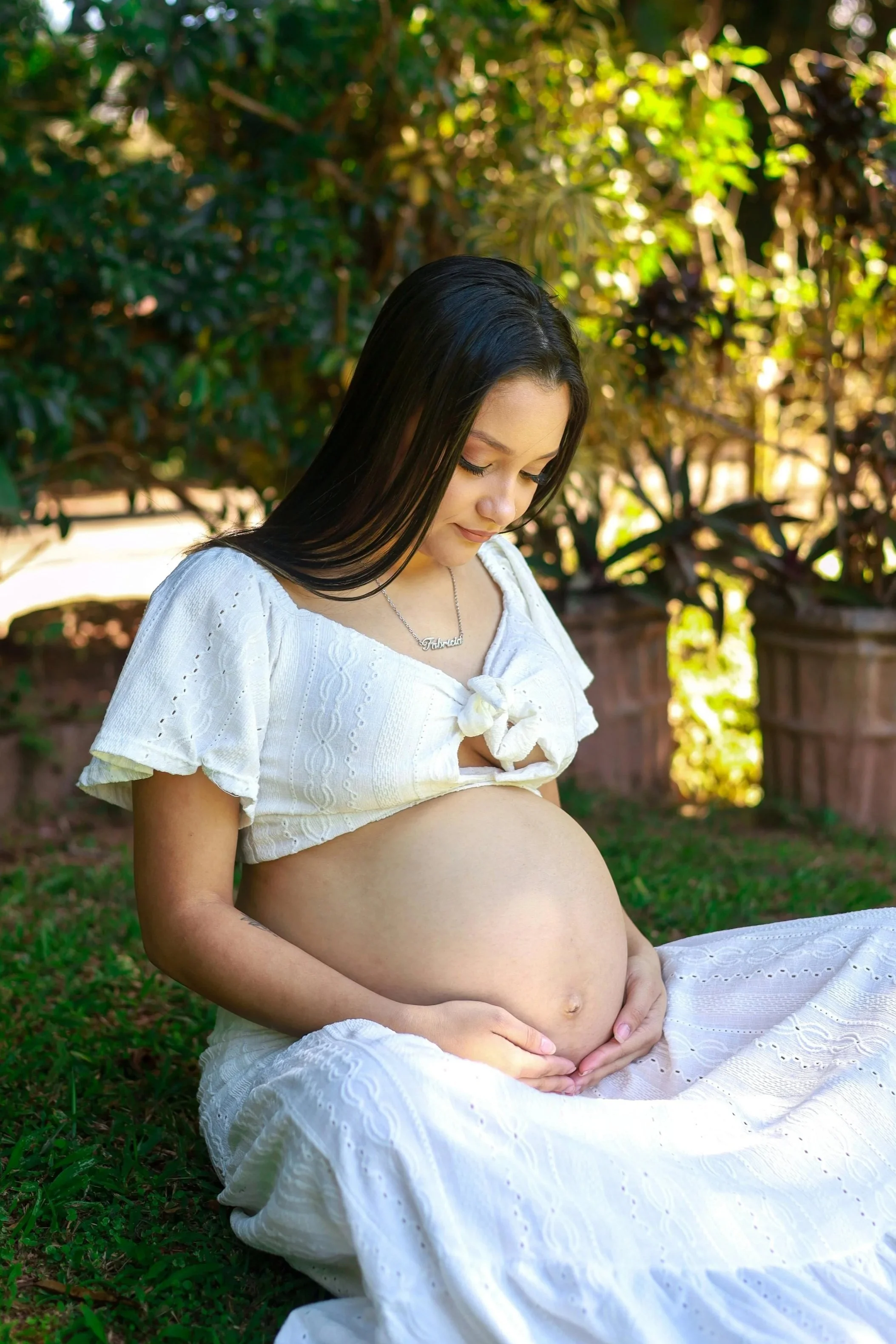
It amazes me to hear how many ways birth is described in today’s culture.
Natural birth
Physiologic birth
Home birth
Out of hospital birth
Undisturbed birth
Induced birth
Pain-free birth
Medicalized birth
Hypno birth
Orgasmic birth
Traumatic birth…followed by
redemptive birth.
The list goes on and on.
And it leaves many women wondering…
What am I supposed to choose?
At times, it almost feels like ordering from a menu—
choose your type of birth, add fries and a coke,
and you’re all set.
When we focus on choosing a “type” of birth, the attention quietly shifts away from the woman herself—
and onto the style of birth she is trying to have.
But birth is not something to perform.
It is something to move through.
Instead, what if we began somewhere else?
What if we talked more about how a woman can:
• remain grounded
• feel supported
• and create a sense of safety in her environment
Because these are the elements that shape her experience.
And from that place—whether a birth is induced or physiologic—
a woman is far more likely to feel held, respected, and supported.
Often, home birth or community birth settings are able to support this kind of environment better than the hospital.
There is a familiarity…
a sense of protection…
and, often, care providers—usually midwives—who trust the body’s
ability to give birth.
But not always.
And this is where the deeper question begins:
How does a woman prepare herself—not just for a type of birth—but for the experience of birth itself?
Preparing for birth
Preparation that is holistic—physical, emotional, mental, and spiritual—supports a woman as she moves through birth.
She begins by understanding the physiology of birth and what the body is capable of—
from the role of hormones,
to the pelvis and pelvic floor,
to the baby’s role in labor.
From there, she begins to trust—
in her ability to give birth,
and in her own capacity as a mother to nurture life.
It also helps to learn to listen inward…
to begin to tap into her intuition.
Our intuition gives us information about what feels right or wrong, safe or unsafe.
When a woman is attuned to her emotions, her body, and her inner signals,
she is better able to recognize the kind of support and environment she needs.
This may guide her toward a particular provider,
a certain birth setting,
or a specific kind of support person.
It also helps to understand that birth is a deeply physical, mental, and emotional experience.
Drawing on other moments in life that required resilience—
times when strength, endurance, or surrender were needed—
can help a woman relate to labor in a new way.
If she has moved through a challenge before,
she already carries the beginnings of an inner guide, a toolkit.
And if not,
she can begin to imagine what
strength feels like—
what words, images, or reminders
might help her return to herself
when things become intense.
Finally, it helps to understand that birth is a rite of passage.
It is an experience that carries a woman through a kind of threshold—
a crossing into something new.
Through this passage,
she not only brings new life into the world,
but becomes a new mother.
A new identity.
A new family.
A new way of being.
In this sense, preparation is not only about onesies, diapers, a car seat, or a stroller.
It is about preparing for transformation.
And this is where birth begins.